Zone Overview
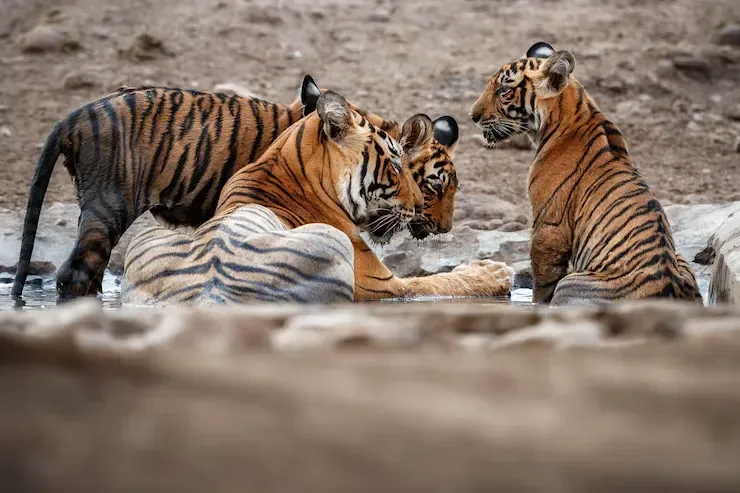
Zone 10 is the newest safari zone in Ranthambore National Park, offering untouched wilderness, the scenic Antri forest landscape, rich biodiversity, fewer safari vehicles, and an authentic wildlife experience away from the crowded tourism routes.
Zone 10 is one of the newest tourism zones in Ranthambore National Park and forms part of the Phalodi Wildlife Range. The safari enters through Antri Gate, allowing visitors to explore a relatively untouched section of the tiger reserve. Unlike the older Singh Dwar zones, Zone 10 provides a quieter and more immersive jungle experience where visitors can appreciate the natural beauty of Ranthambore without heavy safari traffic. The zone was opened to distribute tourism pressure across the reserve while protecting the ecological balance of the park. Since its introduction, Zone 10 has become increasingly popular among wildlife enthusiasts, birdwatchers, photographers, and repeat visitors looking to explore a different side of Ranthambore. The landscape of Zone 10 is remarkably diverse. Dense dry deciduous forests blend with rugged Aravalli hills, rocky escarpments, seasonal streams, natural waterholes, grassland patches, and wide forest valleys. These habitats support a healthy population of herbivores and predators, making the area ecologically important within Ranthambore Tiger Reserve. The Antri forest region is known for its peaceful atmosphere and natural wildlife corridors. These forest routes are frequently used by large mammals moving between different parts of the reserve. Although Bengal Tigers have been recorded in this landscape, wildlife sightings depend entirely on natural movement patterns and cannot be predicted or guaranteed. Besides the Royal Bengal Tiger, Zone 10 supports Leopard, Sloth Bear, Striped Hyena, Golden Jackal, Jungle Cat, Indian Fox, Sambar Deer, Chital (Spotted Deer), Nilgai (Blue Bull), Wild Boar, Hanuman Langurs, Indian Hare, Marsh Crocodiles, Indian Monitor Lizards, Porcupines, and numerous reptiles. Birdwatchers will find Zone 10 especially rewarding because of its rich avifauna. Resident and migratory species regularly observed include Crested Serpent Eagle, Changeable Hawk Eagle, Grey Hornbill, Indian Peafowl, Green Bee-eater, White-throated Kingfisher, Painted Stork, Black Ibis, Grey Heron, Pond Heron, Cormorant, Owl species, Woodpeckers, Drongos, Minivets, Flycatchers, and numerous woodland birds. The relatively low number of safari vehicles entering Zone 10 allows visitors to enjoy a slower and more peaceful safari. Wildlife often appears more relaxed in these quieter forest areas, creating excellent opportunities for observing natural behaviour and capturing high-quality wildlife photographs. Photographers particularly appreciate Zone 10 for its scenic valleys, dramatic rock formations, open grasslands, dense woodland, and changing seasonal colours. Morning safaris often reveal mist-covered forests and beautiful golden sunlight, while evening safaris offer spectacular landscapes illuminated by warm sunset light. Unlike the historic tourism zones that attract heavy visitor demand, Zone 10 provides an authentic wilderness experience where the emphasis is on exploring biodiversity rather than simply searching for tigers. Many experienced naturalists recommend visiting newer zones because they showcase a broader understanding of Ranthambore's ecosystem and conservation efforts. Visitors should remember that Ranthambore National Park is a protected wildlife habitat. Every safari is unique, and sightings depend on natural ecological conditions. Appreciating the entire forest ecosystem—including mammals, birds, reptiles, trees, and landscapes—makes the safari experience truly memorable.
Landscape
Antri Forest, Aravalli Hills, Rocky Escarpments, Dry Deciduous Forest, Seasonal Streams, Natural Waterholes, Grasslands, Wildlife Corridors
Best For